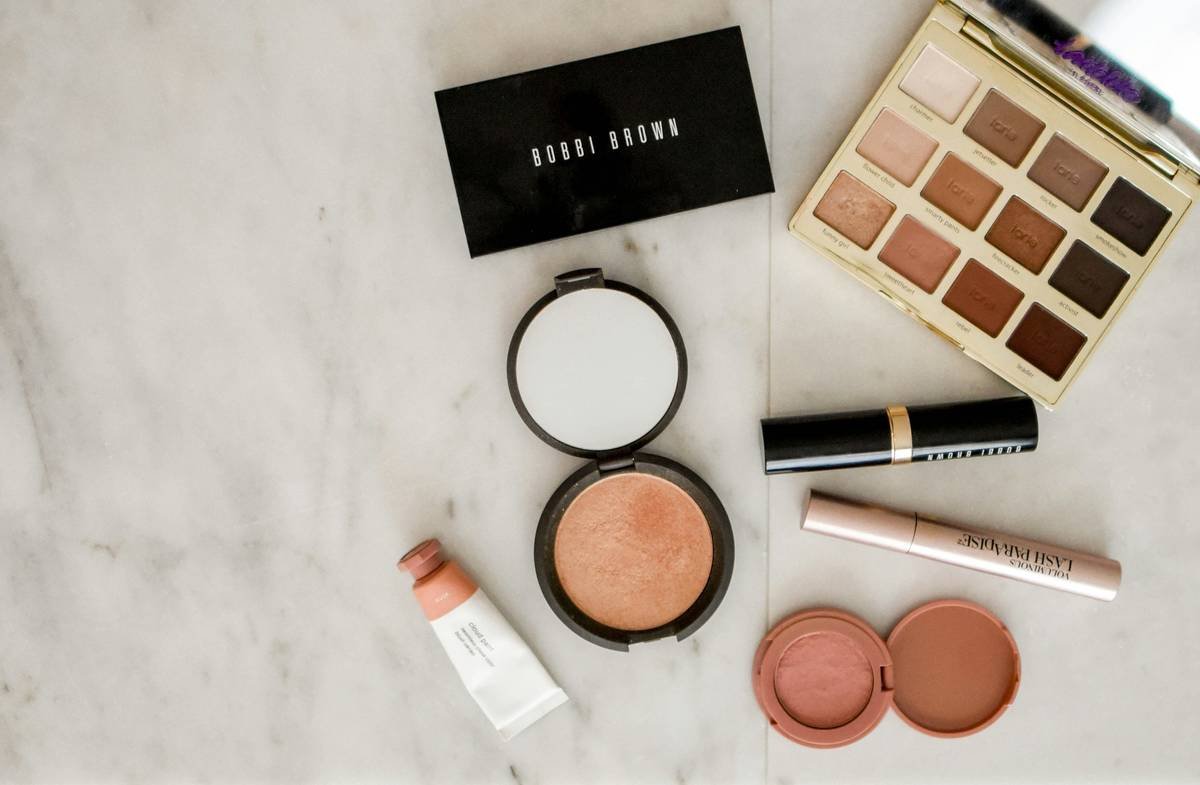
You spent $80 on that luxe foundation. You own a $200 eyeshadow palette with 48 shades you swear you’ll use “someday.” But every morning, you’re digging through a chaotic jumble of brushes, half-empty compacts, and mystery lip glosses—wasting minutes you don’t have. A cluttered makeup drawer isn’t just annoying—it’s costing you time, product, and confidence. The fix? Not just any makeup organizer drawer. A system built for how you actually live.
The Illusion of “Organized Enough”
Most drawers get a lazy toss into acrylic dividers or shoved into dollar-store trays. Looks neat—for a day. Then gravity, humidity, and rushed mornings turn it into a graveyard of forgotten products. Acrylic cracks. Foam liners yellow. Stackable bins slide around like bumper cars.
Here’s the reality: Storage ≠ Organization. Organization means instant access, visibility, and preservation. Without those three, your drawer is just a fancy landfill.
Build a Makeup Organizer Drawer That Actually Works
Forget one-size-fits-all kits. Real organization starts by auditing—not buying.
Step 1: Ruthless Edit
Empty the entire drawer. Wipe it down. Now sort items into: Daily Use, Weekly Use, Special Occasion, and “Why Do I Still Have This?” Be brutal. If you haven’t touched it in 90 days—and it’s not vintage Chanel—it’s out.
Step 2: Match Containers to Product Type
Brushes need upright slots. Palettes demand flat, shallow trays. Lipsticks require vertical wells so you see every shade at a glance. Don’t force everything into identical cubes—that’s how things disappear.
Step 3: Layer Function Over Form
Aesthetic matters—but only if it doesn’t compromise usability. Matte black looks sleek but hides dust. Glossy finishes show every fingerprint. Choose materials that clean easily and resist warping in bathroom humidity.

| Solution Type | Best For | Cost Range | Pitfall to Avoid |
|---|---|---|---|
| Modular Acrylic Trays | Frequent product rotation | $25–$75 | Brittle edges; scratches easily |
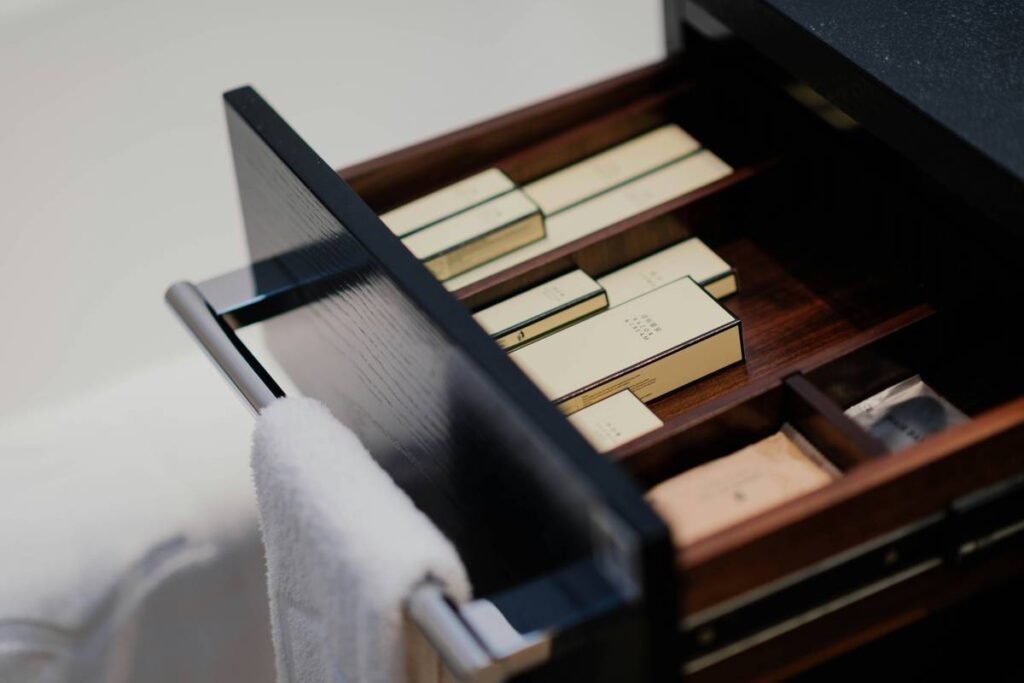
| Wooden Drawer Inserts | Luxury vanity setups | $60–$150 | Swells in humid bathrooms |
| Magnetic Palette Holders | Pro artists & collectors | $20–$90 | Only works with metal-backed pans |
| Velvet-Lined Custom Inserts | High-end skincare + makeup blend | $100+ | Hard to clean; stains permanently |
The Industry Secret: Your Drawer Should Age With Your Collection
Top makeup artists don’t buy static organizers. They build adaptable ecosystems. Here’s what brands won’t tell you: the best drawers have interchangeable inserts—so when your routine shifts from “natural glow” to “full glam,” your storage pivots instantly. One pro I shadowed uses 3D-printed custom dividers she redesigns monthly based on current client demands. Sounds extreme? Maybe. But her drawer hasn’t been messy in 7 years.
Think about it: your makeup evolves. Your storage should too.
Frequently Asked Questions
Can I use a regular kitchen drawer organizer for makeup?
No. Kitchen organizers lack the shallow depth and precise sizing needed for compacts and brushes. They also aren’t designed for cosmetic oils or powders—which can stain wood or fabric liners permanently.
How often should I reorganize my makeup drawer?
Every 3 months. Seasons change, trends shift, and products expire. A quarterly reset prevents buildup and keeps your system functional—not just photogenic.
What’s the ideal depth for a makeup organizer drawer?
Between 3 to 5 inches. Deeper drawers bury items; shallower ones can’t hold palettes vertically. Measure your tallest product first—usually a setting spray or brush cup.