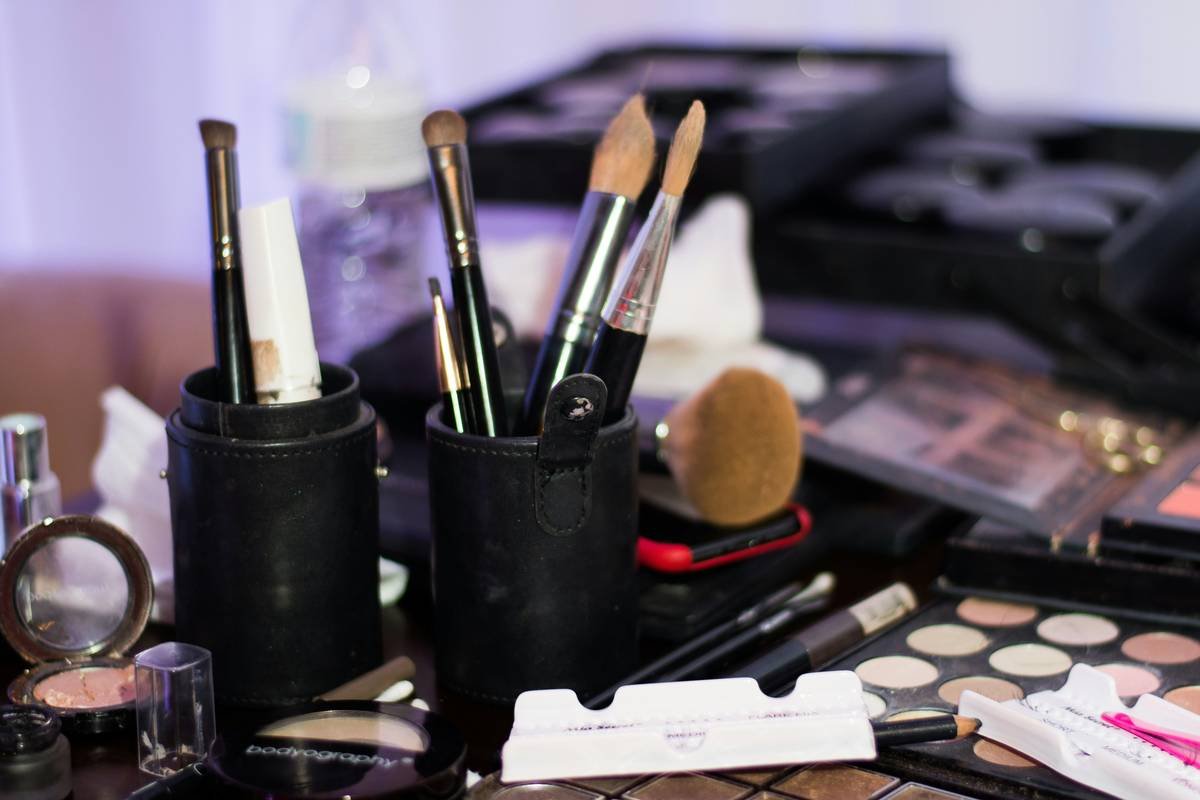
You bought the perfect foundation. The blush that actually matches your skin. That limited-edition eyeshadow palette everyone raved about. But now? It’s buried under a mountain of half-used lipsticks, tangled brushes, and mystery compacts with no lids. Chaos isn’t cute—it’s costing you time, product, and sanity. A real makeup storage organizer isn’t just a box—it’s your secret weapon for clarity, efficiency, and daily joy.
The Hidden Cost of “Good Enough” Organization
Let’s be honest: most people organize their makeup once—after a massive purge—and then abandon it within weeks. Why? Because they treat organization like decoration, not function. Drawers stuffed with acrylic dividers look Instagrammable… until you can’t find your concealer at 7 a.m. or your cream blush dries out because it’s stacked sideways under five powder compacts.
Worse, disorganization breeds product waste. You buy duplicates because you “forgot” you owned something. Brushes get crusty in overcrowded cups. And that expensive serum? Lost behind old nail polish bottles.
Beauty tools deserve better. So do you.
Building a Makeup Storage Organizer That Actually Works
Forget aesthetics-first. This is about ergonomics, visibility, and maintenance. Here’s how to build a system that lasts:
Step 1: Audit Ruthlessly—Keep Only What Sparks Consistent Use
If you haven’t used it in 90 days—toss, donate, or relocate. No guilt. Clutter isn’t potential; it’s procrastination in disguise.
Step 2: Categorize by Frequency AND Formula Type
Group items by how often you use them (daily, weekly, occasional)—but also by texture. Creams shouldn’t sit next to powders unless sealed. Liquids need upright containment. Loose pigments demand lidded jars. Mixing formulas invites contamination and spills.
Step 3: Choose Modular, Adjustable Systems
Fixed compartments fail when your collection evolves. Opt for stackable trays, removable inserts, or magnetic palettes that adapt as your needs change. Flexibility beats perfection every time.
| Storage Type | Best For | Cost Range | Maintenance Effort |
|---|---|---|---|
| Modular Acrylic Trays | Daily essentials, brush storage, visible inventory | $25–$80 | Low (wipe clean weekly) |
| Pull-Out Drawer Inserts | Deep vanities, large collections, hidden clutter | $40–$120 | Medium (reorganize monthly) |
| Portable Cosmetic Cases | Travel, on-the-go touch-ups, minimalists | $15–$60 | High (must repack after each use) |
| Magnetic Palette Systems | Depotted shadows, custom color combos, pros | $20–$100+ | Very High (initial depotting labor-intensive) |
The Industry Secret: Pros Don’t Organize By Color—They Organize By Workflow
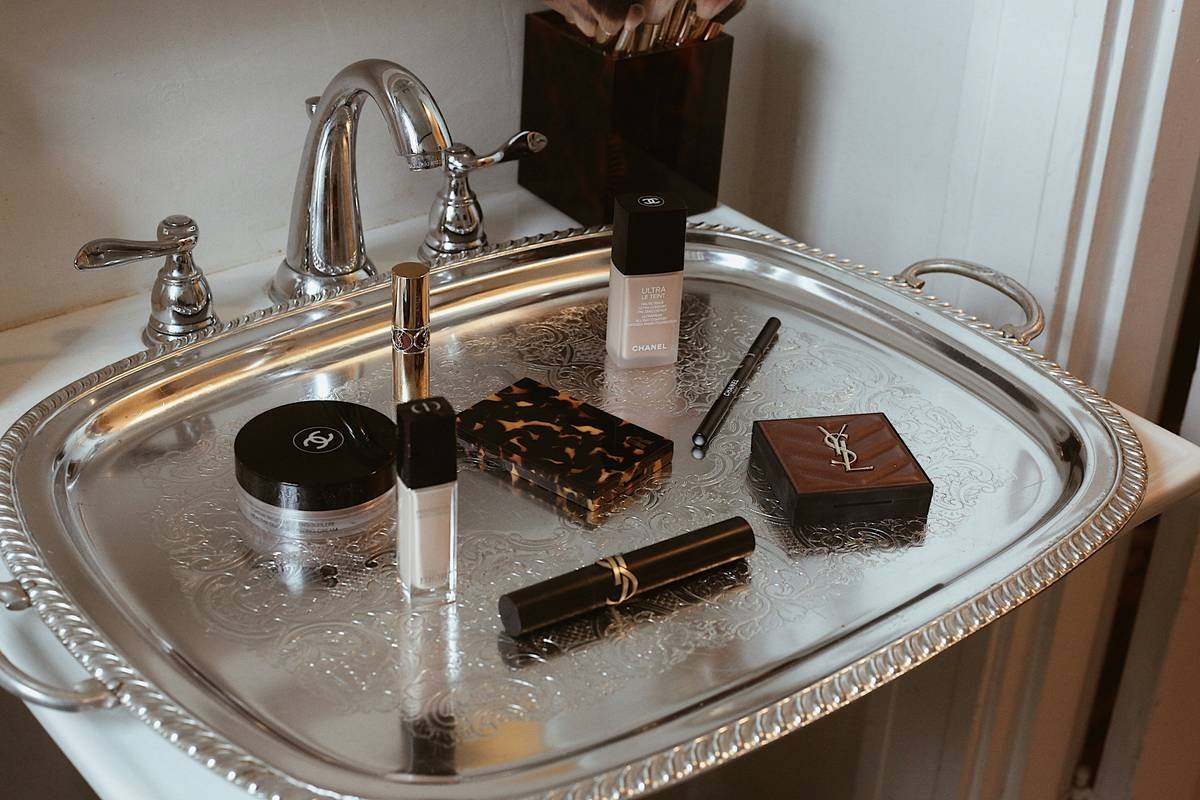
Here’s what no influencer tells you: backstage artists and celebrity MUAs organize by application sequence, not shade families. Their kits flow like an assembly line: prep → base → eyes → cheeks → lips → setting.
That means your makeup storage organizer should mirror your actual routine—not Pinterest trends. Keep primer next to foundation, not beside highlighter. Store eyelash curler beside mascara, not buried in a brush roll. When tools live where your hands naturally reach during application, speed and precision skyrocket.
Think about it: if your contour lives in a drawer labeled “Bronzers,” but you apply it right after foundation, why isn’t it next to your foundation bottle? The math is simple—reduce motion, increase results.
Frequently Asked Questions
What’s the best material for a makeup storage organizer?
Acrylic wins for visibility and durability. Avoid fabric bins—they trap bacteria and absorb product residue. Metal can rust near liquids.
How often should I reorganize my makeup drawer?
Quick tidy: weekly. Full audit: every 90 days. Seasons change—so should your rotation.
Can a makeup storage organizer really save money?
Absolutely. Users report 30% fewer duplicate purchases after implementing a clear, categorized system. Seeing = remembering.