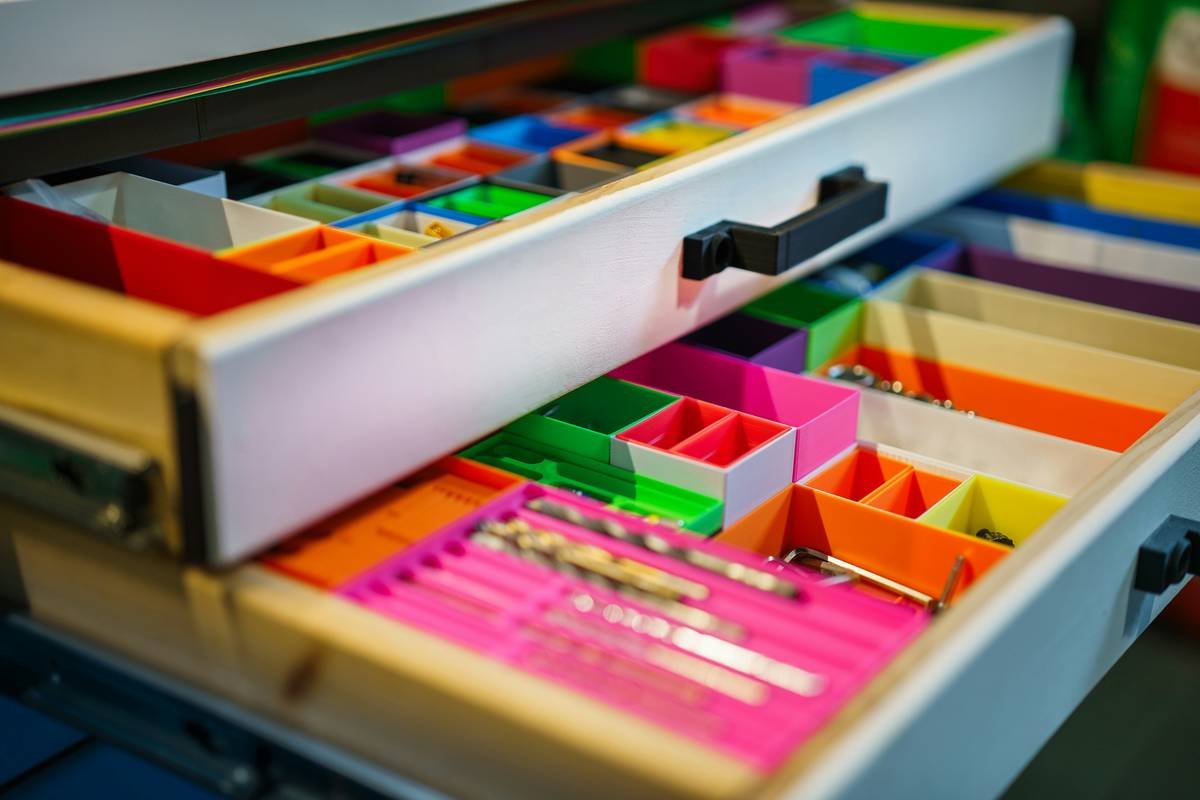
Your brushes are buried under expired lipstick. Your eyeshadow palettes teeter on the edge of disaster. And that one drawer? It’s less “beauty station” and more black hole of frustration. You’re not messy—you’re just using the wrong tools. The solution isn’t another plastic tray from the drugstore. It’s a purpose-built cosmetic organizer system that adapts to how you actually work—not how a manufacturer assumed you would.
Most Makeup Drawers Fail Because They Ignore Human Behavior
Think about it. You don’t open your drawer once a day like a medicine cabinet. You dive in—fingers flying, searching for that specific liner, often mid-routine, half-distracted. Generic dividers assume neatness is innate. It’s not. Real beauty pros know clutter isn’t laziness—it’s poor spatial design.
And cheap acrylic trays crack. Flimsy inserts slide around. Magnetic boards look sleek until your metal compacts all stick together in a jumbled mess. The math is simple: if your system fights your workflow, you’ll abandon it within weeks.
Building a Cosmetic Organizer System That Actually Works
This isn’t about buying more stuff. It’s about engineering visibility, accessibility, and modularity. Here’s how:
Map Your Routine Before Buying a Single Bin
Track what you use daily vs. weekly vs. never. Keep daily essentials front-and-center. Rotate seasonal items out. If you contour three times a year, it doesn’t deserve prime real estate next to your foundation.
Prioritize Vertical Real Estate Over Horizontal Spread
Stackable trays with tiered lift-out compartments double usable space without widening your footprint. Gravity works for you—not against you—when top layers reveal what’s underneath cleanly.
Ditch Fixed Compartments for Modular Inserts
Rigid boxes force your products into their shape. Flexible silicone or felt-lined inserts mold around odd-sized compacts, chubby highlighters, or travel minis. Adaptability = longevity.
| Organizer Type | Upfront Cost | Long-Term Usability | Best For |
|---|---|---|---|
| Generic Acrylic Trays | $15–$25 | Low (cracks, slides, inflexible) | Renters needing temporary solution |
| Magnetic Wall Panels | $40–$80 | Medium (only holds metal items; dust-prone) | Displaying favorites, not storage |
| Modular Drawer System (felt/silicone inserts) | $60–$120 | High (adaptable, quiet, protective) | Daily professionals & collectors |
| Built-in Vanity Units | $200+ | Variable (depends on insert quality) | Permanent setups with dedicated space |
The Industry Secret: Pros Organize by Function—Not Product Type
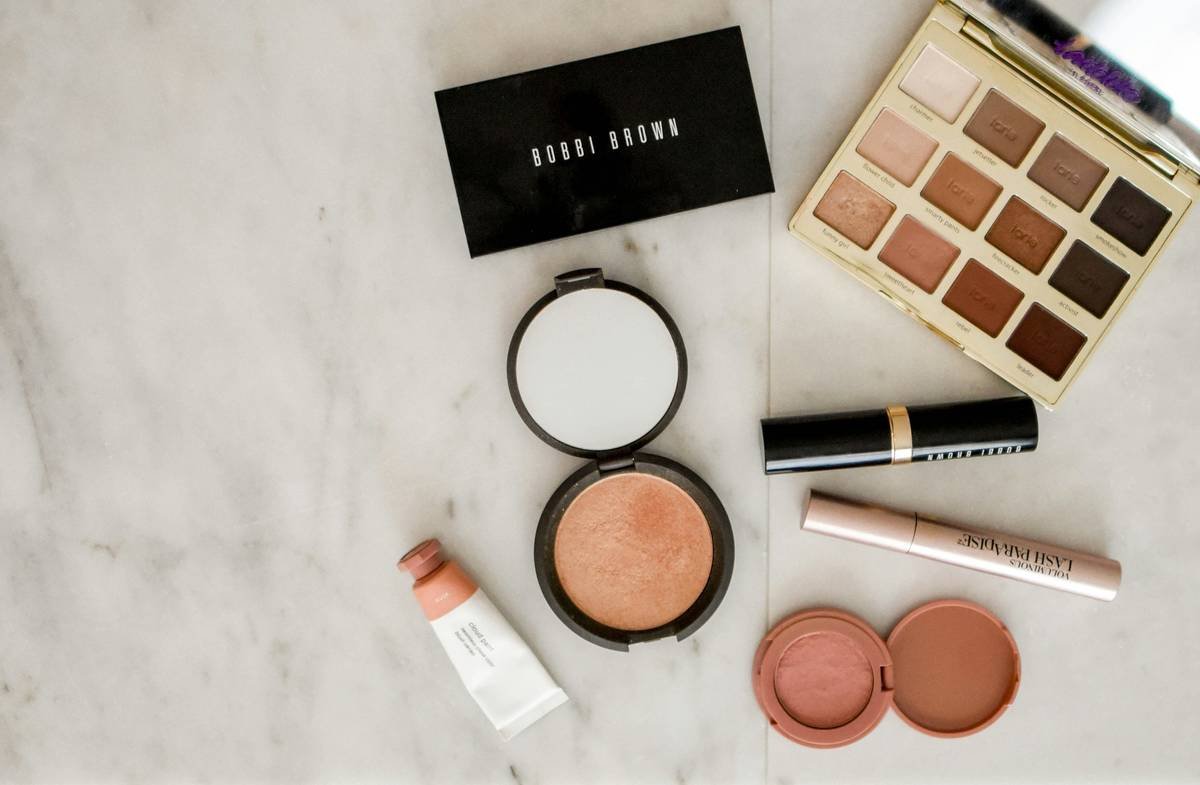
Here’s what no brand will tell you: organizing by “lipsticks here, brushes there” is inefficient. Instead, group by routine sequence. Morning prep zone (cleanser, moisturizer, SPF). Color application block (foundation, concealer, powder). Eye detail cluster (liner, shadow, mascara). Finishing touches (blush, highlight, setting spray).
This mimics how your hand moves during application—minimizing cross-drawer scrambling. It’s not about neatness. It’s about kinetic flow. And yes, this means your favorite red lipstick might sit next to your brow pencil if that’s how you apply them. Break the categories. Honor your rhythm.
Frequently Asked Questions
What’s the difference between a makeup organizer and a cosmetic organizer system?
A basic organizer holds items. A cosmetic organizer system is modular, scalable, and designed around user behavior—not just product shape.
Can I build a custom system on a budget?
Absolutely. Start with two stackable trays and removable silicone inserts. Avoid fixed dividers—they limit future flexibility as your collection evolves.
How often should I reorganize my makeup drawer?
Every 3 months. Toss expired products, rotate seasonals, and reassess if your workflow has changed. A static system becomes obsolete fast.